
The Secret to Perfect Gluten-Free Baking
If you bake a lot of gluten-free bread and pastries, you’ve likely seen psyllium husk pop up on ingredient lists all the time. Being naturally curious about the ingredients I use regularly, I decided to do a deep dive into what this powerhouse ingredient actually is, why it works so well, and how it benefits your health.
What is Psyllium Husk?
Psyllium is a type of soluble fibre derived from the seed husks of Plantago ovata, an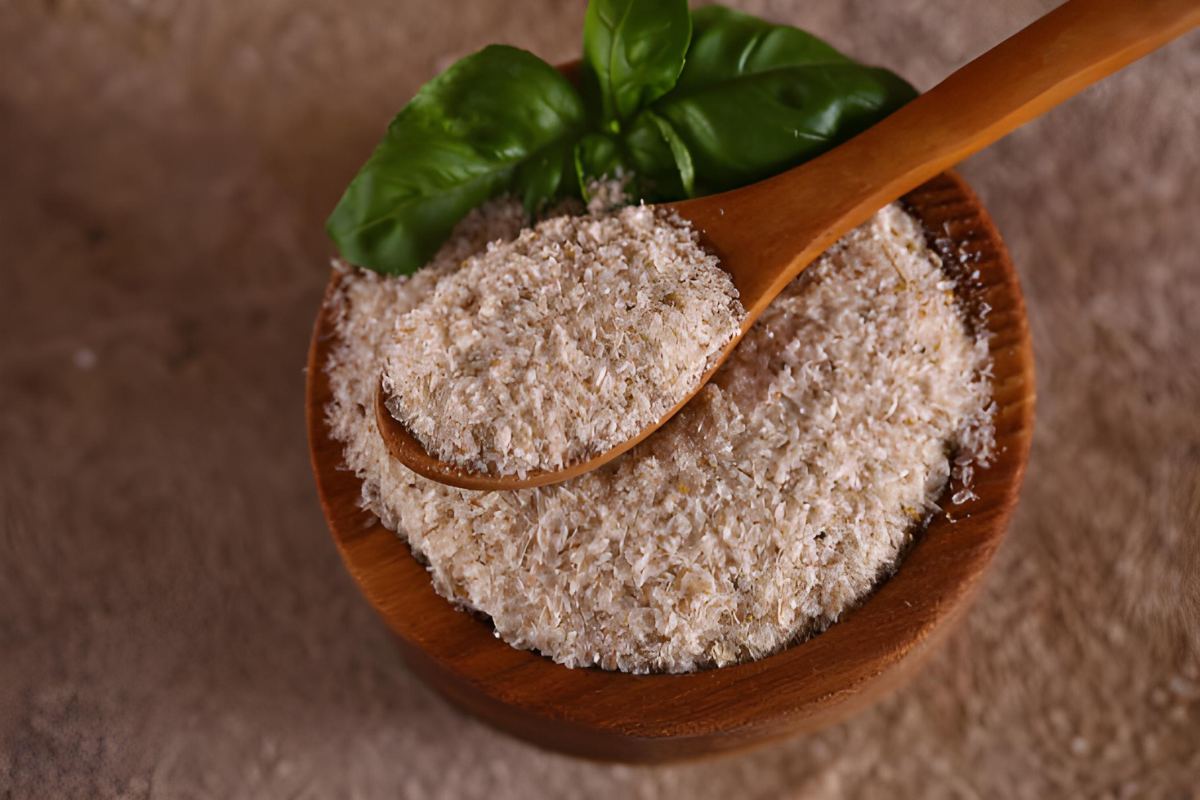 annual herb native to the Mediterranean region, North Africa, and the Indian subcontinent.
By dry weight, psyllium husk is approximately 85–90% fibre. This is broken down into:
-
70–80% Soluble Fibre: The star player. Upon contact with water, it forms a highly viscous, non-fermentable gel.
-
20–30% Insoluble Fibre: Provides roughage and structural support.
Why is it a Game-Changer for Gluten-Free Baking?
Researchers and bakers alike have found that psyllium fibre is one of the best alternatives to gluten. In traditional baking, gluten provides the elasticity and binding power that traps gas and allows bread to rise. Psyllium husk mimics gluten by absorbing massive amounts of water to form a gel. This gel holds the dough together, prevents crumbling, and dramatically improves the final texture of your baked goods.
How Much Should You Use?
Studies show that adding just 5% to 10% of psyllium husk can drastically improve the baking characteristics of gluten-free bread. Here is how it breaks down in some of my favorite recipes
Flourless High-Protein Bread 3 Tablespoons 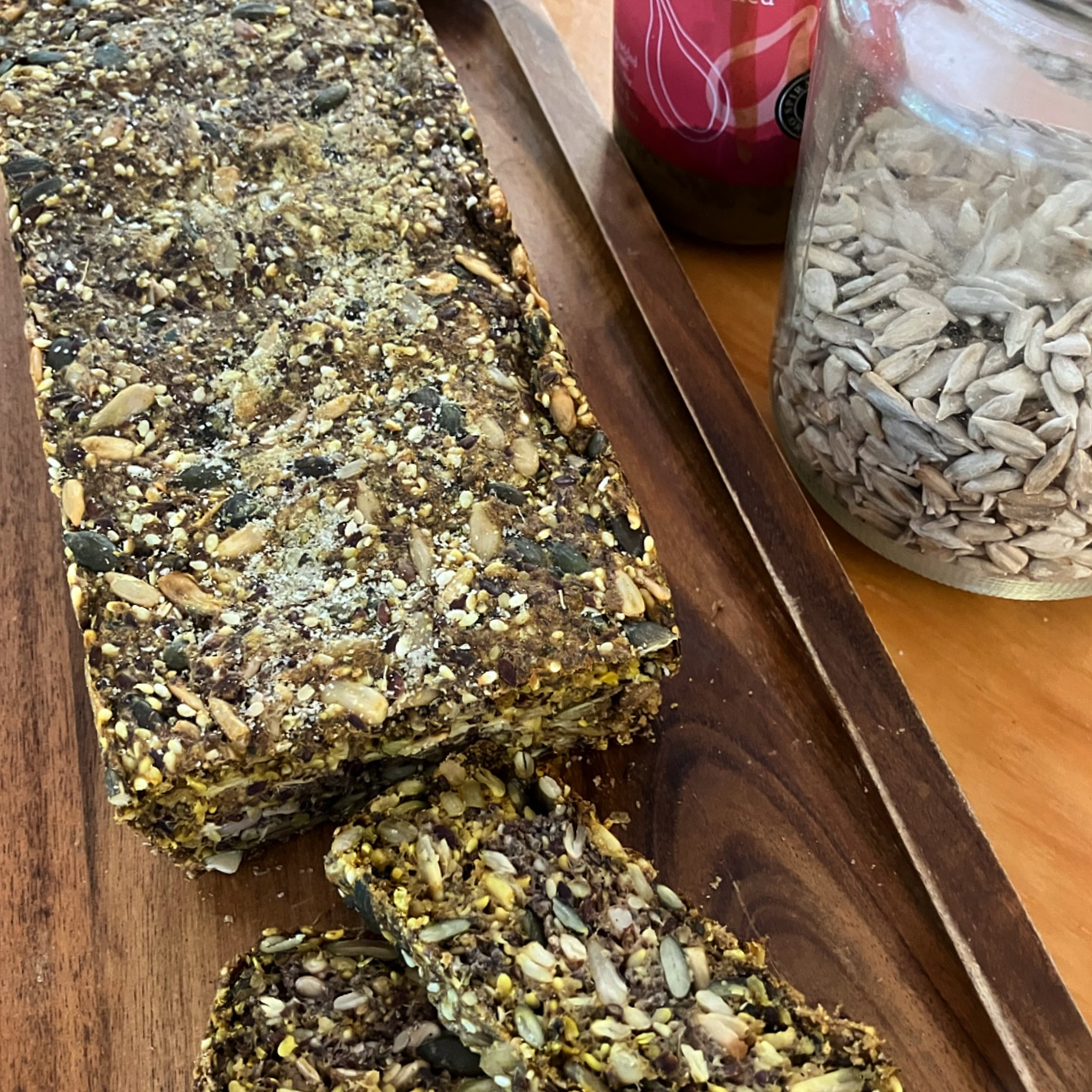
Seed Bread 3 Tablespoons
Grain-Free Bread (Almond meal & Quinoa flour)1 Tablespoon
Baker’s Tip: When baking with psyllium, always let your dough sit for a few minutes before shaping or baking. This gives the husk time to fully absorb the liquids and create that essential gel-like consistency. If the dough feels too dry after resting, don’t be afraid to add a splash more water to achieve your desired texture!
Health Benefits of Psyllium
Not only does psyllium make your bread taste and feel amazing, but it is also a functional food with incredible whole-body benefits.
-
Gentle Digestive Support: It naturally relieves constipation. Unlike harsh chemical laxatives, psyllium is safe, gentle, and effective enough for everyday use.
-
IBS Relief: Psyllium has been shown to reduce gut inflammation associated with Irritable Bowel Syndrome (IBS). In clinical settings, it has proven far superior to other fibre supplements commonly used to treat IBS symptoms like gas, bloating, cramping, diarrhoea, and constipation.
-
Lowers Cholesterol: A 2018 review reported that consuming 10 grams of psyllium daily significantly lowered LDL (“bad”) cholesterol.
-
Blood Sugar Management: It helps individuals with Type 2 diabetes manage their blood sugar levels by slowing down the absorption of glucose.
-
Promotes Fullness: Because it expands in the stomach, it keeps you feeling satisfied and full for longer.