
Things You Want to Know About Sugar
Sugar is fascinating—and sneaky! Do you know how much is hiding in your food? Uncover the truth behind cravings and learn how to enjoy sweetness without the side effects.
Sugar, especially processed and hidden sugar, can contribute to many health issues. It is everywhere in our food supply. Food manufacturers add sugar to countless everyday products, including breads, condiments, dairy, nut butters, and sauces.
Just How Much Are We Eating?
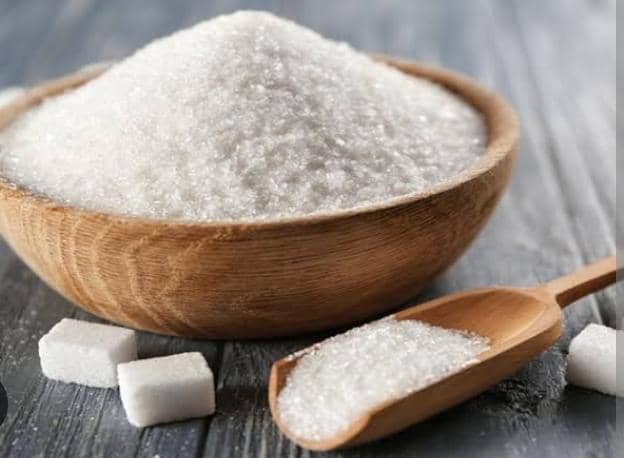
Americans take in an average of more than 17 teaspoons of sugar (about 290 calories) a day from added sugars.
Australians aren’t far behind, consuming around 14 teaspoons of added sugar daily—well over the World Health Organisation’s recommended limit.
-
Soft drink (375 mL can): 10 teaspoons
-
Chocolate bar (50 g): 7 teaspoons
-
Flavoured milk (300 mL): 6 teaspoons
What Does Too Much Added Sugar Do to the Body?
Beyond weight gain, type 2 diabetes, tooth decay, and fuelling cancer cells, a high-sugar diet wreaks havoc on your internal chemistry:
Triggers chronic inflammation – Disrupts dopamine and serotonin systems – Destabilises blood glucose, which can measurably increase your risk of depression
Finding Balance Again

As is so often the case, the solution to our modern health questions comes straight from nature.
If you’ve developed a sugar habit that feels impossible to break, a targeted detox and a mental/emotional reset can help bring your body back into balance. (Read below to find out how)
6 Healthy Ways to Sweeten Your life
1/Choose whole, unprocessed foods
Opt for seasonal and, whenever possible, organic produce. Local farmers’ markets, swap markets, and community gardens are fantastic places to start. Some local growers will even deliver a box of fresh fruits and veggies straight to your door.
2/ Limit supermarket trips
Big supermarkets are designed to tempt you into buying extra processed items you don’t need. There is worst, their conventional fresh products can carry heavy pesticide residues. For more insight, check out Pesticide Action Australia’s Australia’s Residue Report 2026. HERE
3/ Enjoy Whole Fruit
They naturally contains sugar alongside other vital nutrients such as fibre, which significantly slows your body’s sugar absorption. Some of the best low GI* fruits are: pear, berries, apple, grapefruit, pineapple and papaya.
4/ Choose natural dairies and plan- based options
Stick to natural, unflavoured milks and yoghurts rather than pre-sweetened versions.and if you want them flavoured add blueberries or raspberries.
5/ Bake smarter
Choose recipes that incorporate extra fibre to naturally slow down sugar’s absorption. For healthy delicious options-ranging from seeded flourless bread and chia pudding to raw brownies- be sure to check my blog!
6/ Opt for the best natural sweeteners
I personally prefers dates, honey, maple syrup and yacon. I haven’t experimented with Monk Fruit, quite enough yet to give an advice, and while I buy I buy a toothpaste containing xylitol, I prefer to cook with simple, unprocessed nutrients that offer health benefits.
Dates: full of fibre and a great binder for raw treats. I use Medjool dates, which are rich in dietary fibre, potassium, manganese, copper, B-complex vitamins, vitamin A, magnesium, calcium, vitamin K, sodium, and iron.
Organic maple syrup: a natural sweetener made from the sap of maple trees rich in antioxidants
Organic unprocessed raw honey: Naturally rich in antioxidants, along with powerful antibacterial and anti-inflammatory properties
Yacon syrup: a natural sweetener extracted from the yacon root, rich in natural electrolytes for cellular hydration, antioxidants, vitamins, and minerals that support overall health and immune resilience.
Monk fruit: Made from an extract derived from dried monk fruit, it is thought to be anti-inflammatory and helpful in managing weight and diabetes. The extract is 150-250 times sweeter than table sugar, has zero calories and carbs, and does not raise blood glucose levels.
Xylitol: has a similar sweetness as regular sugar but contains 40% fewer calories. Several studies suggest it offers important dental health benefits. However, because xylitol is a refined sweetener, it doesn’t contain vitamins, minerals, or protein—providing purely sweet taste with fewer calories.
Are you Addicted to Sugar?

Behind a sweet tooth, there can often be deeper health issues at play—such as candida overgrowth, chronic stress, depression, poor eating habits, or unresolved emotional struggles. Many people unconsciously seek comfort or relief from negative feelings and painful memories through sweet foods.
Because of this, it is so important to find the roots of the issue. I always suggest starting by a Reiki session to clear and re-balance your energy while bringing a deep level of relaxation. Often, just a few Mentoring sessions are enough to help clear the past memory, navigate difficult relationships, and give you the tools to change this pattern for good.
For details contact me
Sources: Added sugar: Where is it hiding? Sweeteners under the spotlight: Xylitol and Monk Fruit & How much Sugar is Too Much? Sugar Guide Photos Honey Adonyi Pexels.com and Dates Şeyhmus Kine Pexels.com
Low GI* Low glycemic Index
Disclaimer This information is for educational purpose only. It is not meant to diagnose, treat or cure disease. Always seek the help of a qualified health professional for guidance on any health related issues.